
August 29, 20262 min read
Used vs New Construction Machinery: The Real Cost and ROI
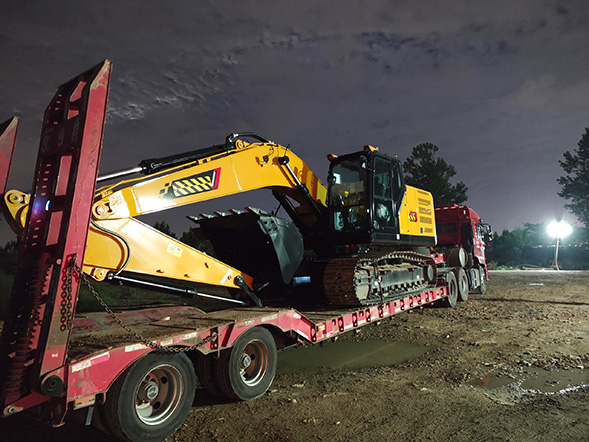
The purchase price is only the first number. The decision between used and new is really a decision about cash flow, depreciation and how fast the machine earns back what you paid.
Depreciation is the silent cost of new
A new machine loses value the moment it leaves the dealer — a large share of that loss happens in the first three to five years, after which the depreciation curve flattens. A used machine that has already taken that first hit can hold its value far better. Buy a five-year-old excavator at a healthy discount and, if you maintain it, its resale value a few years later is often close to what you paid.
The ROI calculation that matters
The number to watch is payback: how many billable hours or rented months it takes to earn back the purchase. Because a used machine costs less up front, it reaches payback faster — even allowing for slightly higher maintenance. For a contractor or rental company starting a project with a fixed budget, used often means you can field two machines for the price of one new one, which changes your whole bid.
When new is the right call
New makes sense when you need a full manufacturer warranty, when the job demands a specific latest model, when you are financing over a long term with predictable costs, or when your client contract specifies new equipment. It also makes sense when downtime is more expensive than depreciation — a brand-new machine has no unknown history.
When used is the right call
Used wins when you need capacity fast on a budget, when the machine is for a shorter project, when you are entering a new market and want to test demand before committing, or when you buy from a seller that provides a signed inspection report and a warranty — which removes most of the “unknown history” risk. A remanufactured unit sits in between: it carries used-machinery pricing but rebuilt components and a written standard.
Total cost of ownership, not sticker price
Whichever route you take, price the whole picture: purchase, ocean freight and duties, insurance, spare parts, maintenance and expected resale. A machine that costs 20% less but needs 40% more maintenance is not cheaper. This is exactly why the delivery standard matters — see what As-Is, Refurbished, Remanufactured and New actually mean before you compare quotes.
Bottom line: for most growing contractors and rental fleets, a well-inspected used or remanufactured machine delivers the fastest payback. New is for warranty-critical and client-mandated work. The deciding factor is not the price — it is how fast the machine pays for itself.
Related News
Sep 2, 2026
Remanufactured vs Refurbished vs Rebuilt vs As-Is: What These Terms Actually Mean on Used Machinery
Four labels — remanufactured, refurbished, rebuilt, as-is — can mean a USD 5,000 to USD 50,000 price gap on the same machine. A plain-English breakdown of industry standards, what each covers, warranty differences, and how to write the condition into your contract.

Sep 2, 2026
How to Pay for Machinery from China: T/T, Letter of Credit and Trade Assurance Compared
T/T, letter of credit, Trade Assurance, or escrow — which payment method protects you best when buying used construction machinery from China? A detailed breakdown of each method's process, costs, risks, and when to use each one, with a payment timeline and comparison table.
Sep 2, 2026
What Warranty Do You Actually Get on Used and Remanufactured Machinery?
Most used machinery is sold as-is with no warranty. Remanufactured machines may carry 30 to 90 days — but what does that actually cover, and what does it exclude? An honest breakdown of warranty coverage, exclusions, how to confirm terms before buying, and ASURE's warranty policy.