
August 29, 20265 min read
Buying Used Construction Machinery: 10 Red Flags You Should Walk Away From
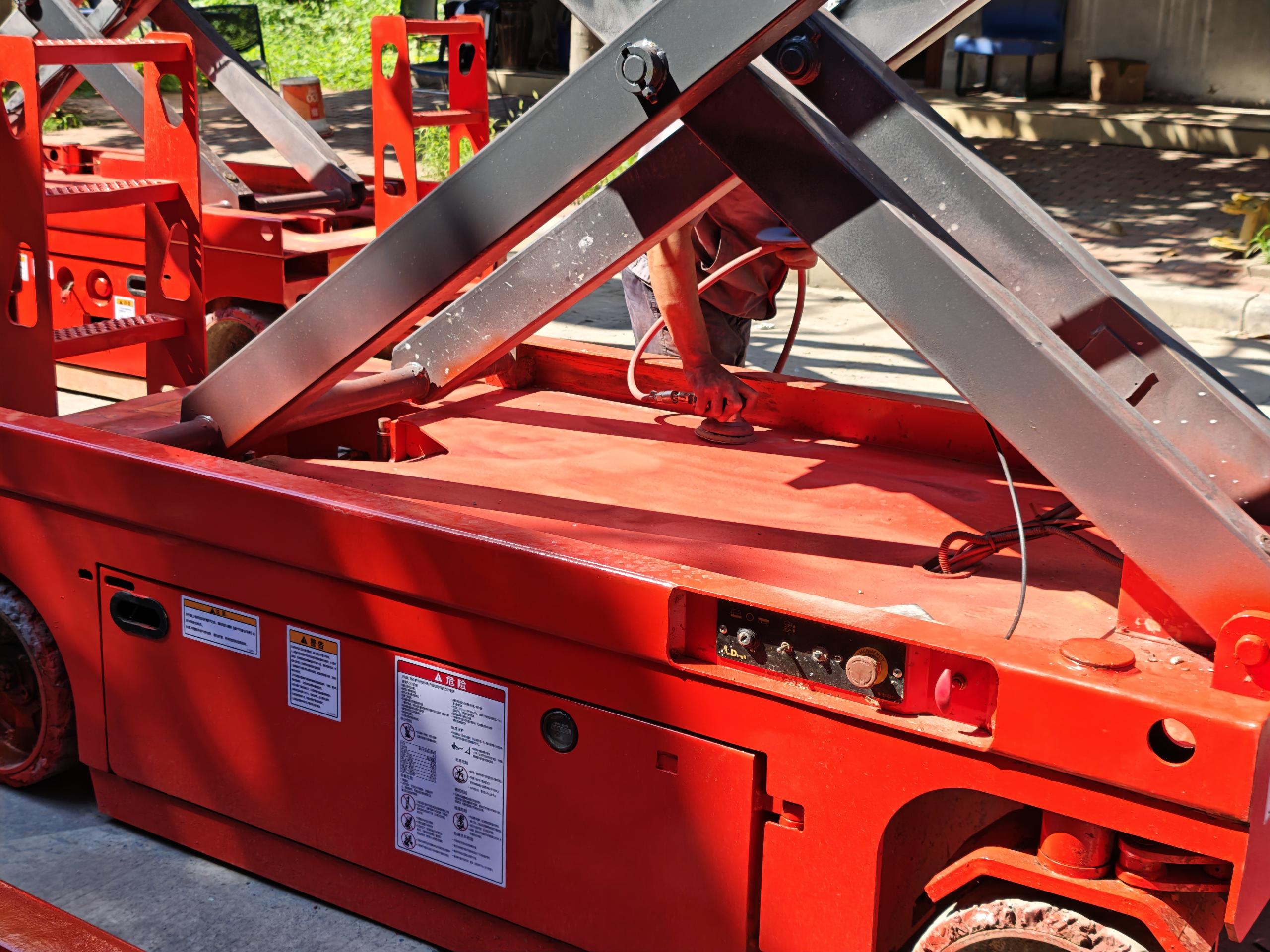
Common questions buyers ask before wiring a deposit for a used excavator, loader or aerial work platform — and the ten things that, in our experience, are the strongest signal to walk away.
Why a red-flag list matters more than a brand list
Most buying guides focus on which brand is reliable. That is the wrong starting point. The biggest losses in cross-border used-machinery trade almost never come from buying the wrong brand; they come from buying a wrong unit inside the right brand. A 2018 CAT 320 with 5,600 working hours, a frame that has been welded twice and a repaint to hide rust is still a “2018 CAT 320” on paper.
Below are the ten signals that have cost buyers the most money across the deals we have worked on. The list is in priority order — the first three account for most disputes.
Red flag 1 — seller refuses a pre-shipment inspection
If a seller will not let a third-party inspector (or you, or your nominated agent) inspect the actual unit before it leaves the yard, walk away. The two most common excuses are “the machine is in a different warehouse” and “our photos and videos are enough.” Neither is a good reason. A written report signed by a named technician is non-negotiable for any machine over the cost of a mid-size car.
Red flag 2 — no service history, no hours, no paperwork
A machine with no hour-meter reading, no service log and no original purchase invoice is either stolen, salvaged, or has been through so many hands that the chain of title is broken. All three are reasons to walk away. A unit with full records — even bad records — is always safer than a unit with no records at all.
Red flag 3 — price that is 20%+ below market for the same year and hours
A genuine bargain that is one-fifth cheaper than the next cheapest comparable unit is, nine times out of ten, a hidden cost. The most common hidden costs are: structural cracks that have been welded over, hydraulic cylinders that have been re-chromed on the cheap, undercarriage pins that have been re-shimmed instead of replaced, or a frame that has been bent and straightened. None of these show up in a glossy photo.
Red flag 4 — repaint to OEM colour when the machine is not OEM
A fresh coat of paint is not necessarily a red flag — we repaint most of our remanufactured units ourselves. What is a red flag is a fresh coat of paint on a unit that is supposed to be “as-is, original condition.” Repaint to hide rust is the most common form of cosmetic fraud. Look for overspray on rubber hoses, decals that are not aligned, and stickers placed over a different colour underneath.
Red flag 5 — welded structural components
Welds on non-structural panels are fine. Welds on the main frame, the boom, the stick, the undercarriage, or the swing bearing mounting are almost always bad news. If you can see a fresh weld, ask for the photo of the crack it is supposed to have repaired. If the seller cannot produce one, the weld is hiding the actual problem.
Red flag 6 — hydraulics that cycle slowly when cold
A machine that is slow on first cycle and then becomes normal as it warms up has internal hydraulic leakage. This is the single most expensive repair on an aging excavator or loader — a full hydraulic-system rebuild can be 30-40% of the value of the machine. Cold-cycle every hydraulic function before paying.
Red flag 7 — engine that smokes on start-up, even a little
Blue smoke on start-up means oil burning; black smoke on start-up means unburned fuel (injector or compression problem); white smoke that does not clear means coolant in the combustion chamber (head gasket or worse). Any of the three, on a cold start, is grounds to negotiate a price reduction or walk away.
Red flag 8 — undercarriage pins that are visibly worn
On tracked machines, look at the side of each track link where it sits on the pin. If the link has a shiny wear band, the pin is worn. A full undercarriage rebuild on a 20-tonne excavator is roughly 15% of the machine’s value. If the undercarriage is shot, the rest of the machine is almost irrelevant.
Red flag 9 — seller pushes hard for full payment in advance
Standard cross-border payment terms are 30% T/T deposit, 70% balance against copy of B/L. If the seller asks for 100% upfront — especially via a non-refundable channel — that is the single biggest red flag in the entire transaction. Use an escrow service for first-time relationships.
Red flag 10 — documents do not match the unit
If the serial number on the frame, the engine, the hour meter and the export documents do not all match, the unit being shipped is not the unit you inspected. This is the most common form of substitution fraud, and it is impossible to fix after the machine has left the yard.
What a “clean” deal looks like
A clean deal has: a written inspection report, photos and a video dated within seven days of payment, the seller’s name on the export documents, the option for a third-party pre-shipment inspection, and a contract that ties the deliverable condition (as-is, refurbished, remanufactured or new) to a written specification. Anything less than that, and the price should reflect the missing assurance.
This is a general guide, not legal advice. The specifics of any deal depend on the jurisdiction, the unit, and the parties involved. For a specific machine, our team can run a 29-checkpoint inspection and provide a written report before payment — contact us with the serial number.
Related News
Sep 2, 2026
Remanufactured vs Refurbished vs Rebuilt vs As-Is: What These Terms Actually Mean on Used Machinery
Four labels — remanufactured, refurbished, rebuilt, as-is — can mean a USD 5,000 to USD 50,000 price gap on the same machine. A plain-English breakdown of industry standards, what each covers, warranty differences, and how to write the condition into your contract.

Sep 2, 2026
How to Pay for Machinery from China: T/T, Letter of Credit and Trade Assurance Compared
T/T, letter of credit, Trade Assurance, or escrow — which payment method protects you best when buying used construction machinery from China? A detailed breakdown of each method's process, costs, risks, and when to use each one, with a payment timeline and comparison table.
Sep 2, 2026
What Warranty Do You Actually Get on Used and Remanufactured Machinery?
Most used machinery is sold as-is with no warranty. Remanufactured machines may carry 30 to 90 days — but what does that actually cover, and what does it exclude? An honest breakdown of warranty coverage, exclusions, how to confirm terms before buying, and ASURE's warranty policy.