
August 29, 20261 min read
Inside the Remanufacturing Process: What Actually Happens to a Machine
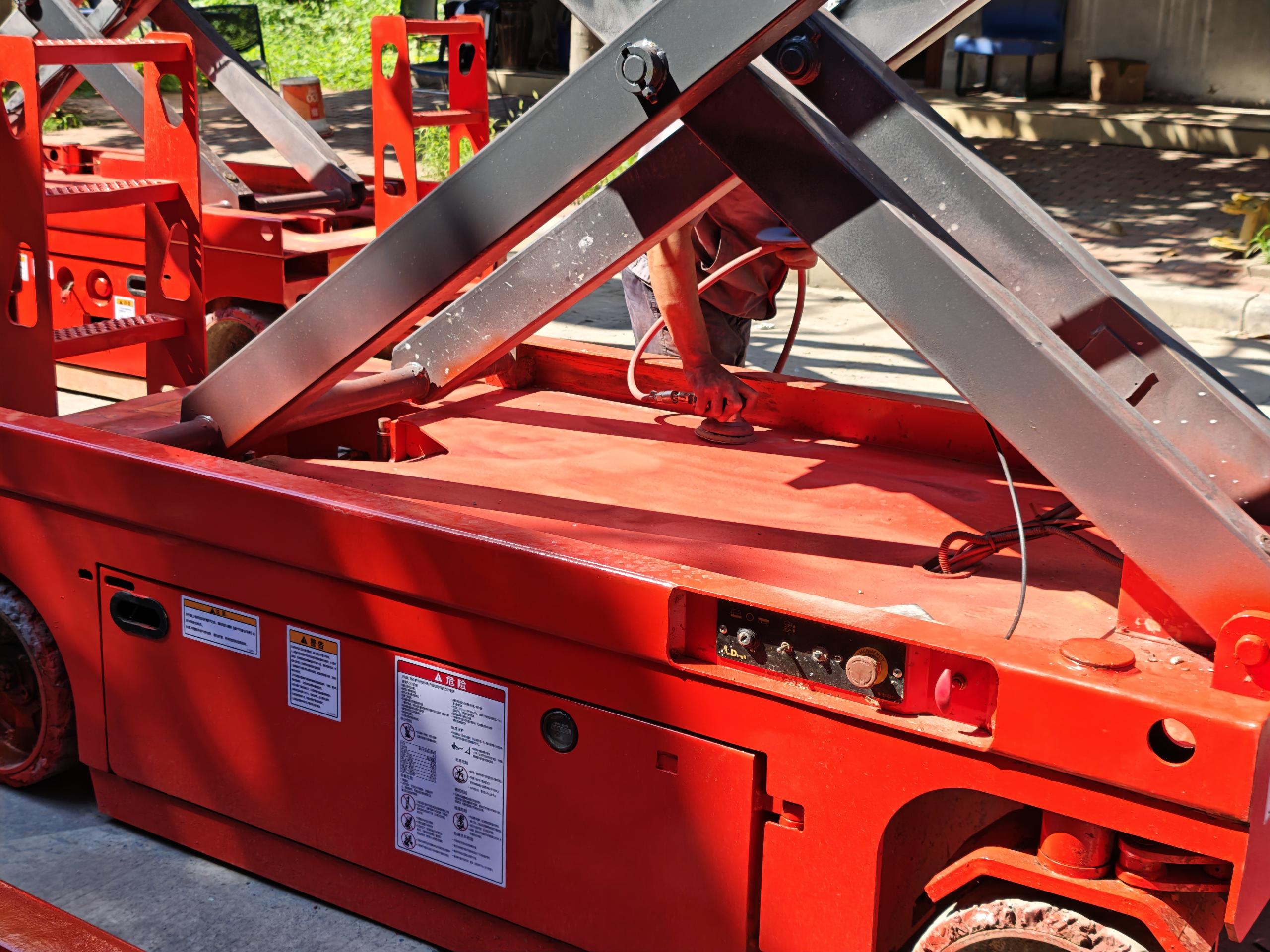
“Remanufactured” is the most valuable word on a used-machinery listing — and the most abused. Here is what a genuine remanufacturing process actually involves.
Remanufacturing is not a repaint
The difference between a resprayed machine and a remanufactured one is the difference between hiding wear and replacing it. A genuine remanufacture strips the machine, inspects every major component, replaces what is worn, rebuilds the rest to a written standard, then reassembles and tests the whole machine. The output is a machine with rebuilt components and a written standard — see what each delivery standard actually means.
The stages
- Tear-down and grading — the unit is classified and the work scope set.
- Component inspection — engine, hydraulics, undercarriage and structure are assessed against the standard.
- Rebuild and replace — worn components are replaced or rebuilt; seals, pins, hoses and wear items are renewed.
- Paint and finish — a full repaint after repairs, not over them.
- Test and inspect — the completed machine is run through the full function test and the written 29-point inspection.
How to tell a real remanufacture
Ask for the written standard and the inspection report — a seller who remanufactured the machine can show you exactly what was replaced and tested. A seller who only says “remanufactured” without a standard or a report has probably repainted a used machine and changed the word. The difference is worth a large share of the price.
Bottom line: remanufacturing is rebuild-to-standard plus test, not repaint. Ask for the standard and the signed inspection report — that is what you are actually paying for.
Related News
Sep 2, 2026
Remanufactured vs Refurbished vs Rebuilt vs As-Is: What These Terms Actually Mean on Used Machinery
Four labels — remanufactured, refurbished, rebuilt, as-is — can mean a USD 5,000 to USD 50,000 price gap on the same machine. A plain-English breakdown of industry standards, what each covers, warranty differences, and how to write the condition into your contract.

Sep 2, 2026
How to Pay for Machinery from China: T/T, Letter of Credit and Trade Assurance Compared
T/T, letter of credit, Trade Assurance, or escrow — which payment method protects you best when buying used construction machinery from China? A detailed breakdown of each method's process, costs, risks, and when to use each one, with a payment timeline and comparison table.
Sep 2, 2026
What Warranty Do You Actually Get on Used and Remanufactured Machinery?
Most used machinery is sold as-is with no warranty. Remanufactured machines may carry 30 to 90 days — but what does that actually cover, and what does it exclude? An honest breakdown of warranty coverage, exclusions, how to confirm terms before buying, and ASURE's warranty policy.