
August 29, 20261 min read
Motor Grader Buying Guide: Blade, Control and Finish Quality
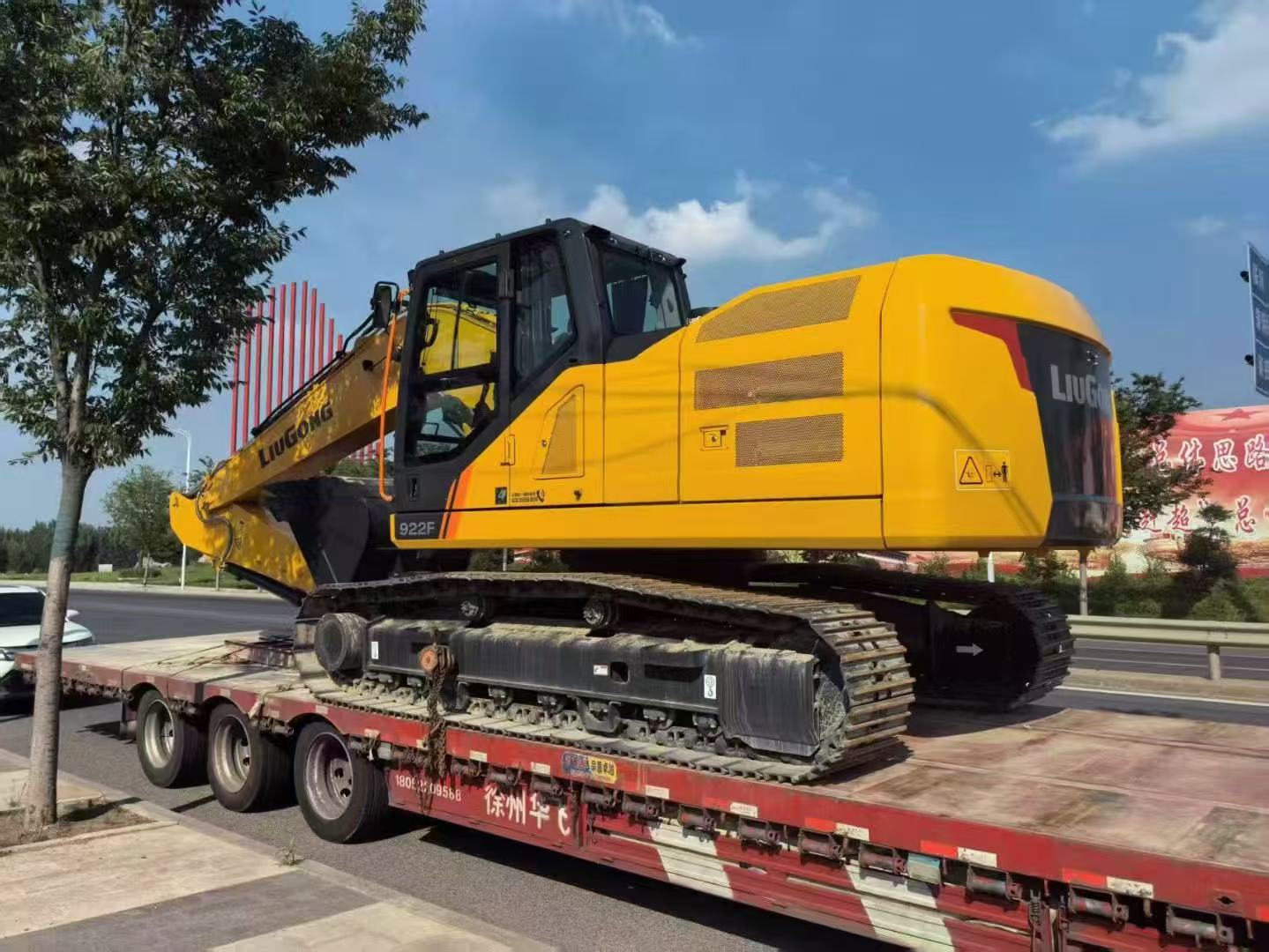
A motor grader is bought for one thing: a precise finish. The blade, the circle and the control system decide how well it does that job — here is what to check.
Blade length and circle
The blade length sets how wide a pass the grader cuts, and the circle lets the blade rotate and angle for cutting, spreading and finishing. Match the blade to your road width so you finish a lane in as few passes as possible, and check that the circle rotates smoothly — slop here shows up as a wavy finish.
Control system
Older graders use mechanical or hydraulic lever controls; newer ones use joystick or GPS-assisted control. The control system affects operator fatigue and finish quality more than any other single feature. For a used grader, test every function — blade lift, angle, circle and scarifier — and watch for drift under load.
What to check on a used grader
- Blade and circle wear — the blade edge and circle teeth wear with use.
- Hydraulics — cylinder drift and leaks on every function.
- Articulation joint — play at the frame pivot.
- Tyres — grader tyres are a large, specific cost.
All captured in the written 29-point inspection so the condition is verified, not assumed.
Bottom line: judge a motor grader by blade and circle precision, test every function under load, and price the tyres and blade wear into the deal.
Related News
Sep 2, 2026
Remanufactured vs Refurbished vs Rebuilt vs As-Is: What These Terms Actually Mean on Used Machinery
Four labels — remanufactured, refurbished, rebuilt, as-is — can mean a USD 5,000 to USD 50,000 price gap on the same machine. A plain-English breakdown of industry standards, what each covers, warranty differences, and how to write the condition into your contract.

Sep 2, 2026
How to Pay for Machinery from China: T/T, Letter of Credit and Trade Assurance Compared
T/T, letter of credit, Trade Assurance, or escrow — which payment method protects you best when buying used construction machinery from China? A detailed breakdown of each method's process, costs, risks, and when to use each one, with a payment timeline and comparison table.
Sep 2, 2026
What Warranty Do You Actually Get on Used and Remanufactured Machinery?
Most used machinery is sold as-is with no warranty. Remanufactured machines may carry 30 to 90 days — but what does that actually cover, and what does it exclude? An honest breakdown of warranty coverage, exclusions, how to confirm terms before buying, and ASURE's warranty policy.