
August 29, 20261 min read
The Electrification of Construction Machinery: What Buyers Need to Know
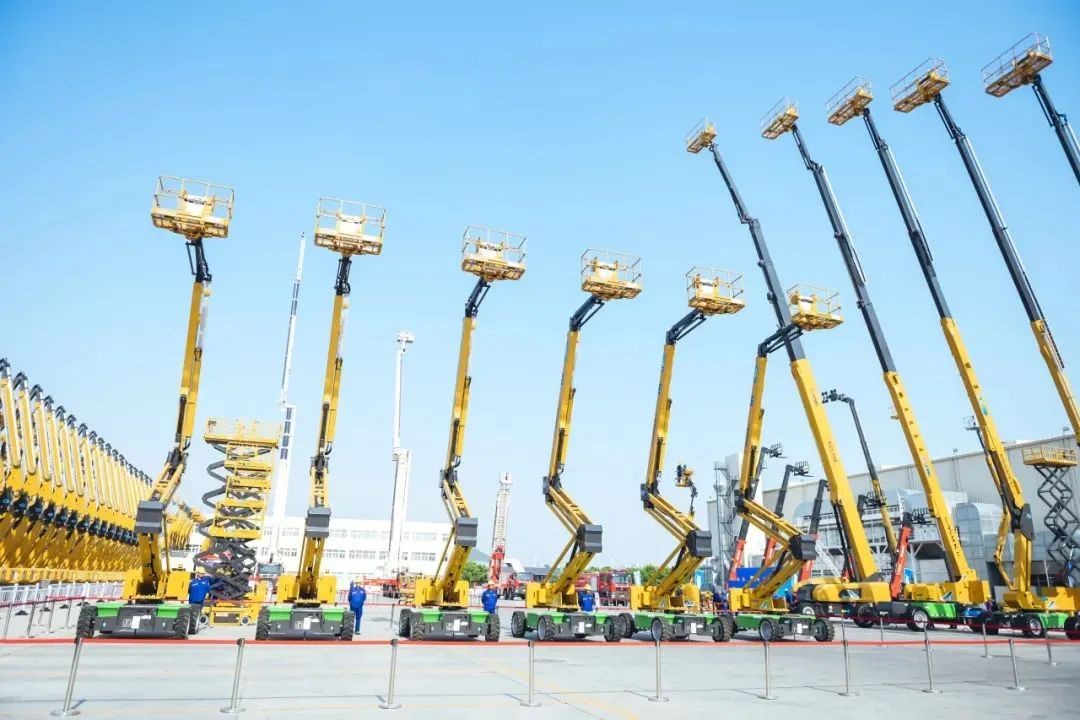
Electrification is the biggest shift in construction machinery in decades — and it is furthest along in the compact and aerial classes. Here is what it means for a buyer.
Where electric has already won
Electric scissor lifts are now the default for indoor work — quiet, zero-emission and cheap to run. Electric compact excavators and loaders are following, especially for indoor demolition, urban sites and environments with noise or emission rules. The running cost and maintenance advantage is real: no engine oil changes, no diesel, fewer moving parts.
Where diesel still wins
Heavy machines and remote sites without reliable charging still favour diesel — a 40-tonne excavator does not recharge overnight on a construction site the way a scissor lift does. For the foreseeable future, the split is: electric for compact and indoor, diesel for heavy and remote.
The buyer's consideration
When comparing, price the battery as a wear item — battery health and replacement cost are the electric equivalent of engine hours. On a used electric machine, battery state is the single most important check, alongside the standard 29-point inspection. See the brand picture in JLG vs Genie vs Dingli.
Bottom line: electric has won the compact and indoor classes, diesel holds the heavy and remote ones. On used electric machines, treat the battery like the engine — it is the part that decides the real cost.
Related News
Sep 2, 2026
Remanufactured vs Refurbished vs Rebuilt vs As-Is: What These Terms Actually Mean on Used Machinery
Four labels — remanufactured, refurbished, rebuilt, as-is — can mean a USD 5,000 to USD 50,000 price gap on the same machine. A plain-English breakdown of industry standards, what each covers, warranty differences, and how to write the condition into your contract.

Sep 2, 2026
How to Pay for Machinery from China: T/T, Letter of Credit and Trade Assurance Compared
T/T, letter of credit, Trade Assurance, or escrow — which payment method protects you best when buying used construction machinery from China? A detailed breakdown of each method's process, costs, risks, and when to use each one, with a payment timeline and comparison table.
Sep 2, 2026
What Warranty Do You Actually Get on Used and Remanufactured Machinery?
Most used machinery is sold as-is with no warranty. Remanufactured machines may carry 30 to 90 days — but what does that actually cover, and what does it exclude? An honest breakdown of warranty coverage, exclusions, how to confirm terms before buying, and ASURE's warranty policy.